Content Automation Strategy: The 80/20 Rule for What Must Stay Human
Let automation carry the factual, recurring eighty percent of your posts, and spend people's time on the twenty percent only they can make. A practical guide.

Key takeaways
- Automate the posts whose form stays the same while the facts change: figures, offers, dates, results, reminders. In many channels they are most of the volume and the least of the personality.
- Keep people on what only people can make: a face and a voice, an opinion, a reply, a reaction to something nobody planned.
- Decide post by post with four questions: is it built on a fact, does it recur, would a mistake come from typing or from judgement, and does it need a person in it?
- Eighty and twenty is a rule of thumb, not a target. The point is that the hours freed from the recurring posts go into the ones that make the brand feel like itself.
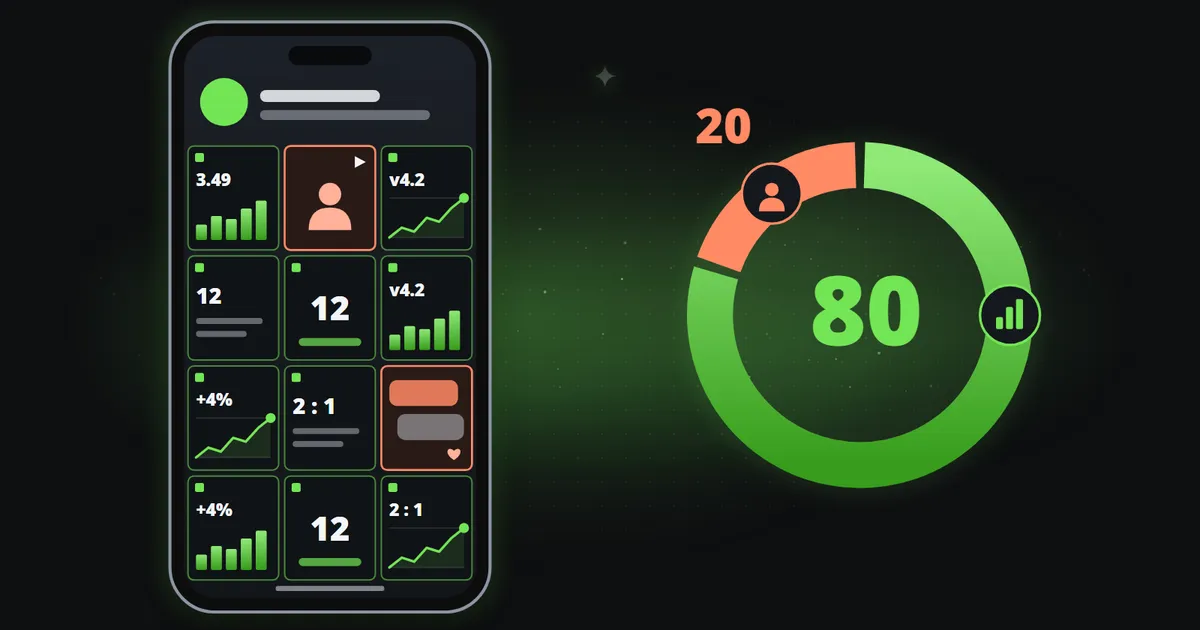
A channel’s posts tend to fall into two kinds. In many channels, most say something factual that changes: today’s figure, this week’s offer, Saturday’s result, the next date. The rest say something only a person could: an opinion, a story, a face, an answer to somebody who asked. A content automation strategy is the decision about which is which, and what follows from it: let a system carry the factual, recurring eighty percent, and spend people’s time on the twenty percent only they can make.
The numbers are a rule of thumb, not a measurement. Some channels are almost all facts, others almost all personality. But the split is useful because it changes the question from whether to automate social media at all to which posts a person should never have to make again.
What is a content automation strategy?
It is not “automate everything”. A channel made entirely by a machine says the same kind of thing every day and nobody answers when somebody asks a question. And it is not “automate nothing”, which is where many teams end up by default, and why their channels go quiet whenever the person responsible is busy.
A strategy sits between the two. It sorts the kinds of post a channel makes into those a system should make, those a person should make, and the few that need both, and then gives each to the right maker. The system’s half runs whether anybody is at their desk. The people’s half gets the time the system saved.
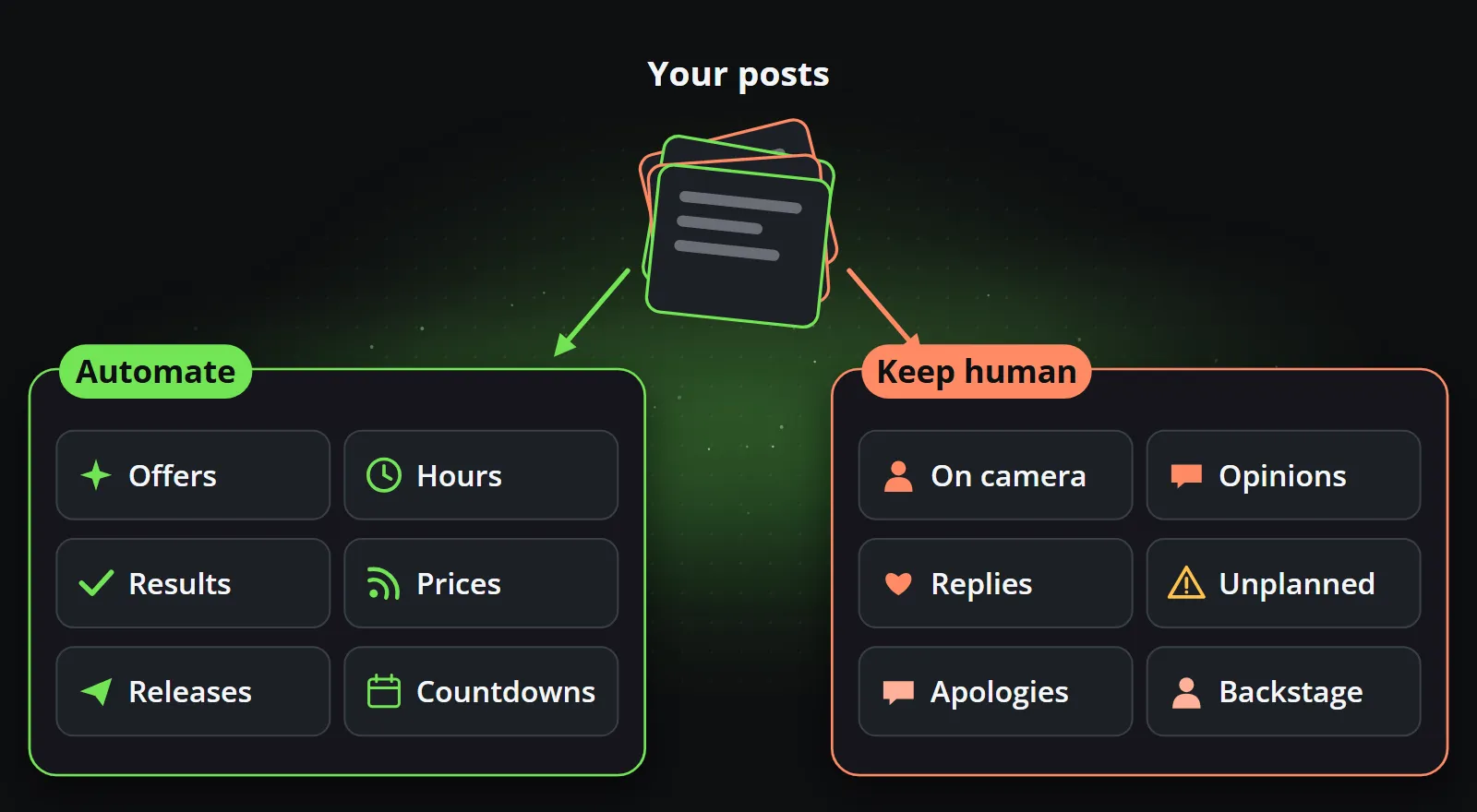
The eighty: factual, recurring, on brand
The posts worth automating share three properties:
- The form stays the same and the facts change. A weekly offer looks like last week’s offer with a different product and price. A result looks like the last result with different teams and scores.
- They recur, on a schedule or whenever something happens: every morning, every Monday, every release, every match.
- Accuracy matters more than wit. Nobody shares a price list for its turn of phrase. They need it to be right, readable and recognisably yours.
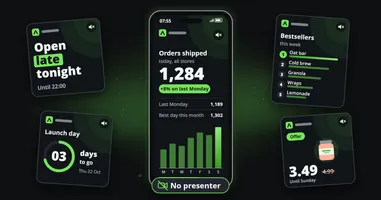
In many channels that covers more than people expect: prices and figures, offers, opening hours and closures, results and fixtures, release notes, event countdowns, reminders, weather notices, monthly summaries. Each one is a template and a piece of data.
Busy people make small mistakes in repetitive work. The fortieth post of the same kind is where a typo can creep in, the logo can shift, or last week’s price can survive into this week’s clip. A template does the opposite: the same data always makes the same clip, the layout never drifts, and an over-long name is refused rather than squeezed. Faceless videos for business covers the formats that work for this kind of post without anybody on camera.
One caution belongs here. Automation that repeats itself is a problem; automation that reports something new each time is not. YouTube’s monetisation policies, for instance, list “similar or repetitive content with low educational value, commentary, narratives, or minimal variation across videos” among what they do not monetise, under a policy renamed “inauthentic content” on 15 July 2025 (checked 14 October 2026; platform policy, not legal advice). The safeguard is the same as the strategy: only automate posts that carry new information every time, and keep the human posts in the mix.
The twenty: face, opinion, community
The other posts are the ones that make a brand feel like a set of people rather than a feed:
- A face and a voice. Somebody explaining a decision, showing how something is made, answering a common question on camera.
- An opinion. A view on news in your field, a recommendation, a disagreement. Only a person can stand behind it.
- Replies and community. Answering comments, thanking people, picking up a question and making a post of the answer.
- The unplanned. Something happened today that nobody scheduled, good or bad, and the channel should react like somebody is there.
- Sensitive news. An apology, a closure, an incident. These need judgement about tone and timing, every single time.
An AI assistant can help with this half too, drafting a reply or suggesting a post, but the decision and the face stay with people. Letting an AI agent run your channel goes into what to delegate and what to keep fixed.
How do you decide which is which?
Four questions sort almost any kind of post:
- Is it built on a fact that changes? A price, a date, a score, a figure. If yes, lean towards automating.
- Does it recur? Daily, weekly, on every release. A one-off is rarely worth a template.
- Would a mistake come from typing or from judgement? Typing mistakes, a wrong figure or a misspelt name, are what automation removes. Judgement mistakes, the wrong tone on the wrong day, are what people prevent: such a post can still be automated, with a person checking each one before it goes out.
- Does it need a person in it? If the value is somebody’s face, voice or opinion, keep it human, however often it recurs.
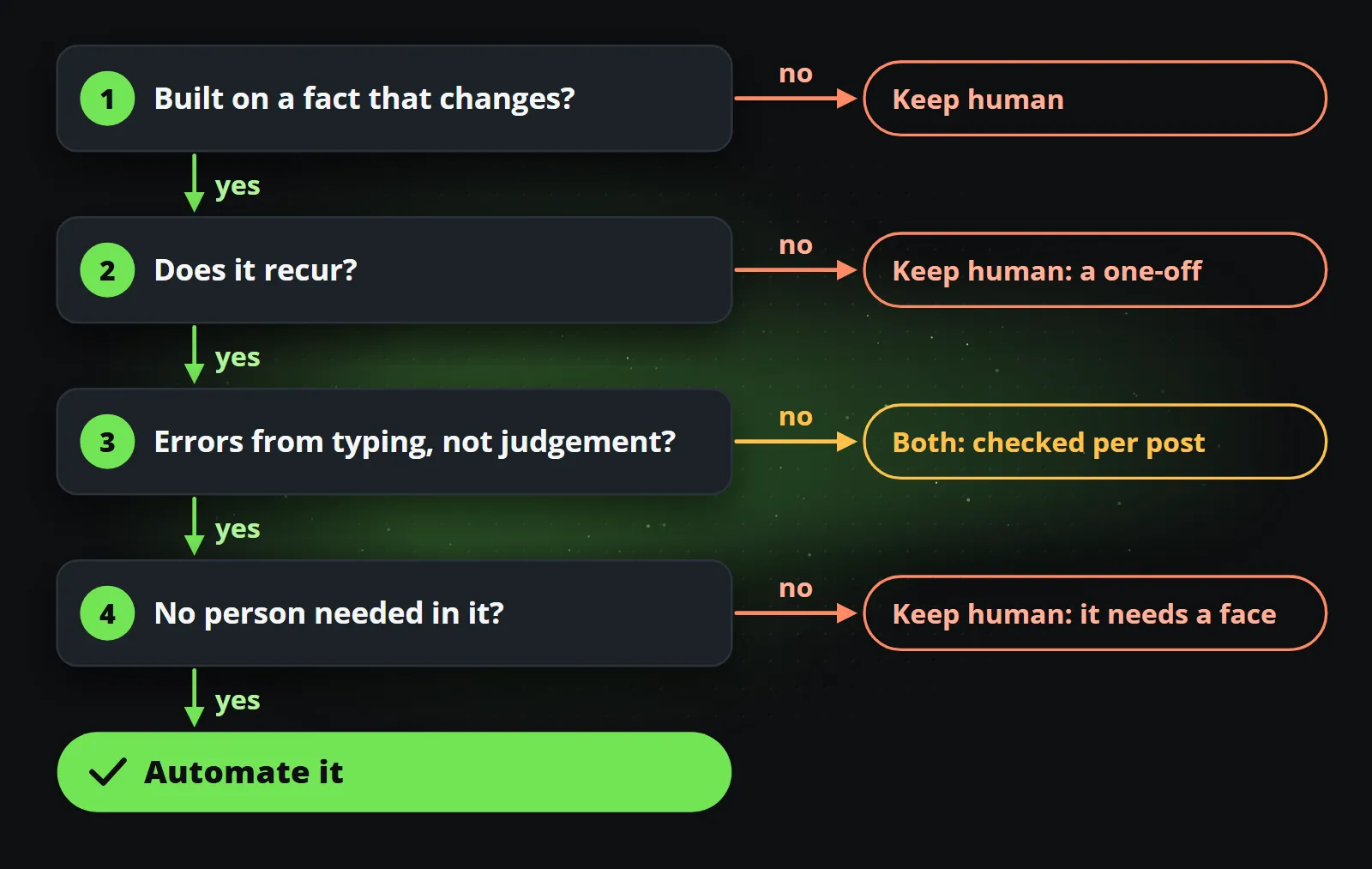
Applied to common posts, the answers look like this:
| Post | Who makes it | Why |
|---|---|---|
| Daily figures or prices | Automated | A changing fact, recurring, errors come from typing |
| This week’s offers | Automated | Same layout every week, only the products and prices move |
| Opening hours and closures | Automated | Facts from a calendar, posted when they change |
| Results and fixtures | Automated | Data arrives after every match |
| Release notes | Both | Automated for every release; a person adds a post for the big one |
| An event | Both | An automated countdown; a person posts from the day itself |
| A product launch | Both | A person makes the centrepiece; reminders are automated |
| A reply to a complaint | Human | Judgement and tone, every time |
| A view on news in your field | Human | Only a person can stand behind an opinion |
| Behind the scenes | Human | The value is the people in it |
The “both” rows are often where the value hides. The person makes the one post that needs them, and automation carries the reminders, the countdown and the follow-up that used to fall off the calendar.
What should never be automated?
Most of the twenty above: replies, opinions in your name, apologies and incidents. An assistant can help draft them, but a person decides what they say and when. Two more items belong on the list, and both are about the automated posts themselves:
- Posting through a sensitive moment. When something serious happens, a person decides to pause the automated posts. That switch should be easy to find and somebody should know it is theirs.
- The rules themselves. What automated posts may say should be approved by a person, once, before any of them go out. In Reelwire a reviewer approves a template version once and every clip inherits it; the approvals manual covers how to set that up.
Where does brand voice live when posts make themselves?
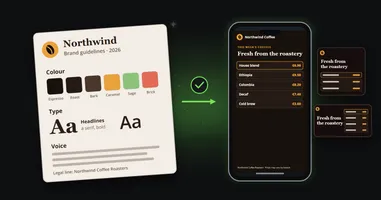
Brand voice does not disappear from automated posts; it moves upstream. It lives in the template: its design, its fixed wording, its typography, the colours and logo of your brand applied to every clip. It lives in the post text, written once in up to four lengths so each platform gets the longest version that fits rather than a truncated one. And it lives in consistency itself: a channel whose daily posts always look and sound the same is recognisable before anybody reads it.
The human twenty carries the rest: humour, opinion, warmth, the reply that makes somebody feel heard. Automation done well gives that half more time, not less.
A weekly rhythm for a small team
Here is an example of how a team of two or three might run a channel on the 80/20 split. The automated posts go out every day by themselves; the people’s time is in blocks:
- Monday, 30 minutes: look back at last week’s automated posts, approve anything waiting, and note what got questions.
- Tuesday, 60 minutes: make the week’s human post, a short video with a person in it or a story from behind the scenes.
- Every day, 15 minutes: reply to comments and messages.
- Thursday, 30 minutes: react to something that happened, if anything did. If nothing did, skip it.
- Friday, 30 minutes: fill next week’s post list with anything planned: an event, a launch, a reminder.
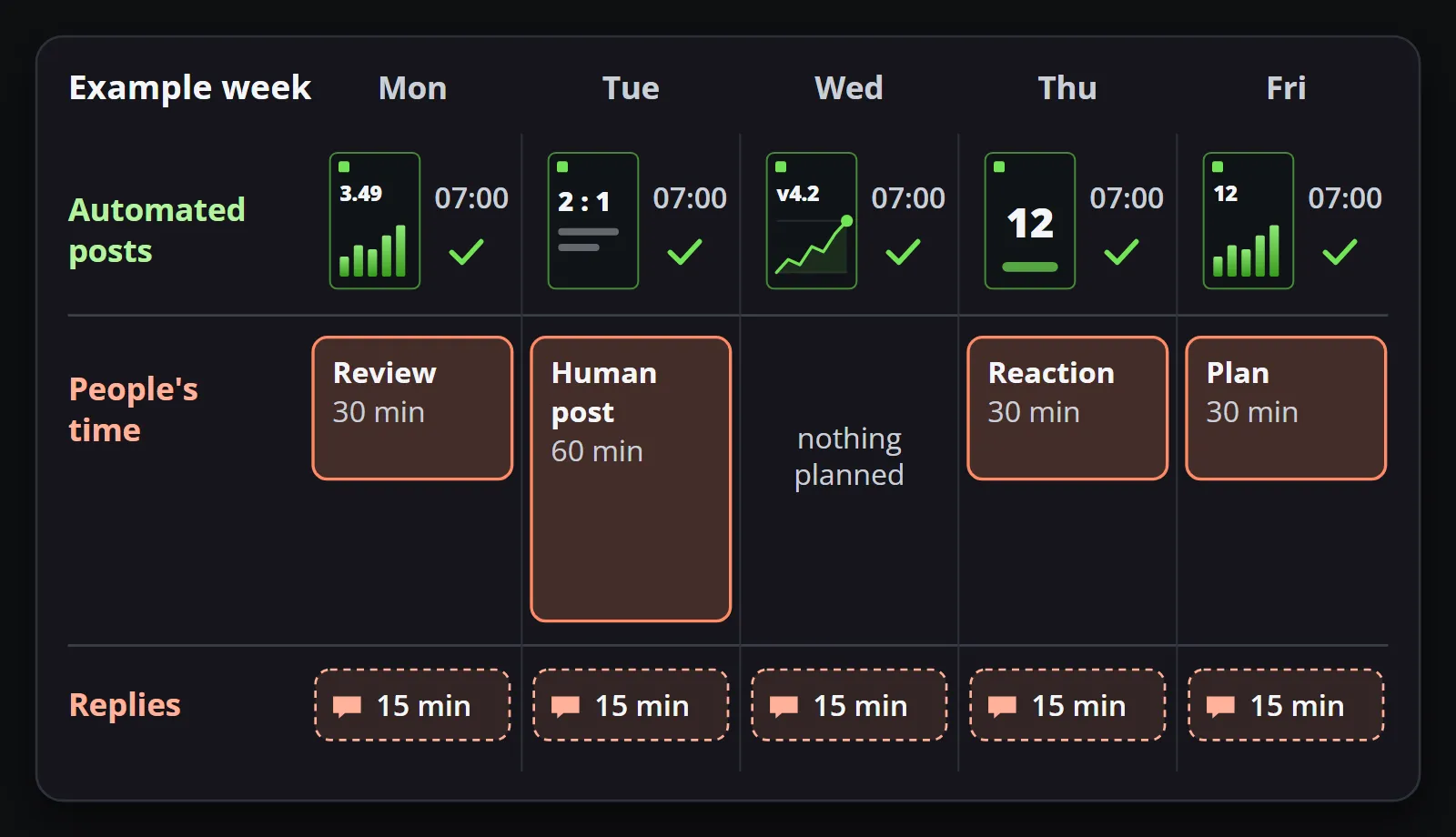
That is under four hours a week of people’s time in this example, and every hour of it goes into the posts that need a person. The recurring posts are handed over by email or webhook, and if the team already uses a scheduler, the scheduler takes them from there.
How do you start?
- List your last thirty posts and put each through the four questions. Teams often find more recurring, factual posts than they expected.
- Pick the one that recurs most and automate that one first: one template, one source of data, one channel.
- Watch it for two weeks. Look at every automated post, and turn on a check per post if you want a person to see each one before it goes out.
- Move the time it freed into the human twenty, on purpose, so it does not just disappear into other work.
- Add the next recurring post, and the next, until the channel’s factual backbone runs by itself.
Bottom line
A content automation strategy is not about producing more posts with fewer people. It is about putting each post with the right maker: a system for the factual, recurring majority, which it makes more reliably than a busy person, and people for the posts only people can make. Get the split right and the channel keeps its rhythm in a busy week and keeps its personality in a quiet one.
To automate your first recurring post, start with Reelwire’s free plan, 25 videos a month with no card, and see how it works from data to a post that is handed over.
Frequently asked questions
What is a content automation strategy?
A decision, made kind of post by kind of post, about which posts a system should make by itself and which a person should make. It is not automating everything, and not automating nothing.
What social media content should be automated?
Posts that recur and are built on facts that change: prices and figures, this week's offers, opening hours, results and fixtures, release notes, countdowns and reminders. The form stays the same and only the data moves, which is exactly what a template does well.
What should never be automated?
Replies to people, apologies, anything about an incident, opinions in your name, and posts whose value is a particular person's face or voice. Automated posts should also pause during a sensitive moment, which is a decision a person makes.
Is the 80/20 split a real ratio?
No, it is a rule of thumb. Some channels are almost entirely factual, others mostly personal. What matters is sorting each kind of post honestly, not hitting a percentage.
Does automated content look mass-produced?
It can, if every post says the same thing. Automate posts that carry new information each time, in a design made for your brand, and keep the human posts in the mix. That is what separates a useful channel from a repetitive one.

Co-founder of Reelwire. Every organisation has facts worth showing, its prices, results, releases and warnings, and the vision is that every one of them can show those facts every day, on brand, in every format and language, without a production team behind each post. Your data, in motion: correct, recognisable and consistent from the first clip to the thousandth.